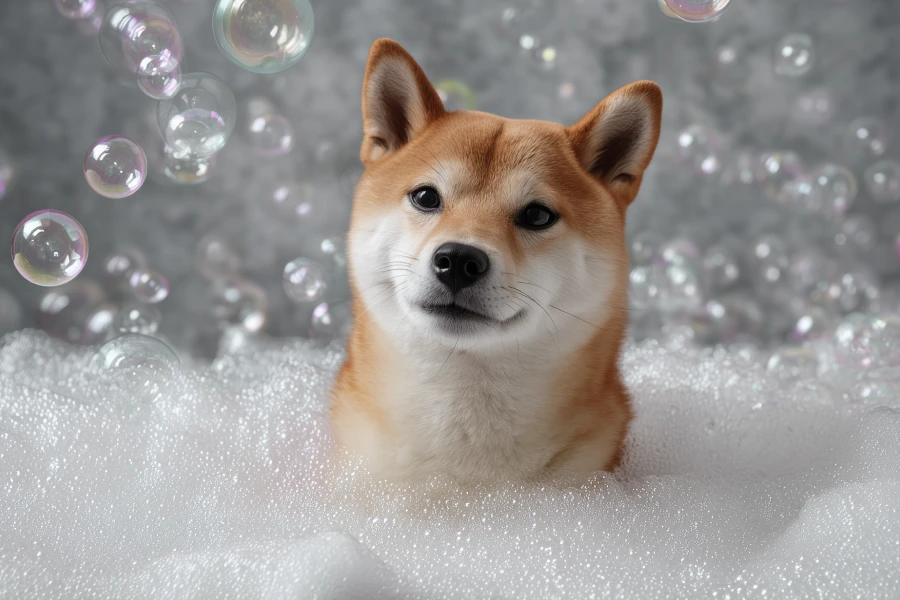
A Grooming Guide for Pet Owners helps make home care feel more organized, safe, and achievable. Dogs and cats need regular grooming, but the routine should match their coat, age, health, and personality. Some pets love brushing. Others need slow introductions and shorter sessions. The right approach keeps grooming from becoming a stressful chore. It can also strengthen trust because your pet learns that care feels predictable. The Home Grooming Mastery guide gives owners practical help with tools, routines, and smart grooming habits. With a clear plan, pet grooming becomes easier to manage at home.
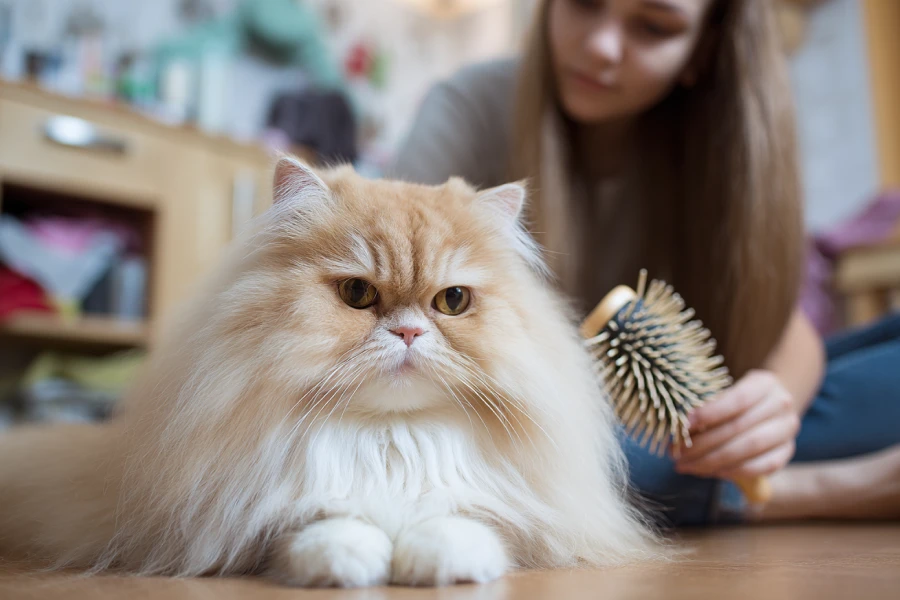
If you are starting fresh, keep your first routine simple. Choose one grooming area, gather supplies, and begin with the task your pet tolerates best. For many pets, that is gentle brushing. A basic set of pet grooming tools may include a brush, comb, nail tool, towel, shampoo, and treats. Avoid buying complicated tools before you understand your pet’s needs. A simple beginning helps you build confidence. Once your pet accepts the routine, you can add more steps gradually and safely.
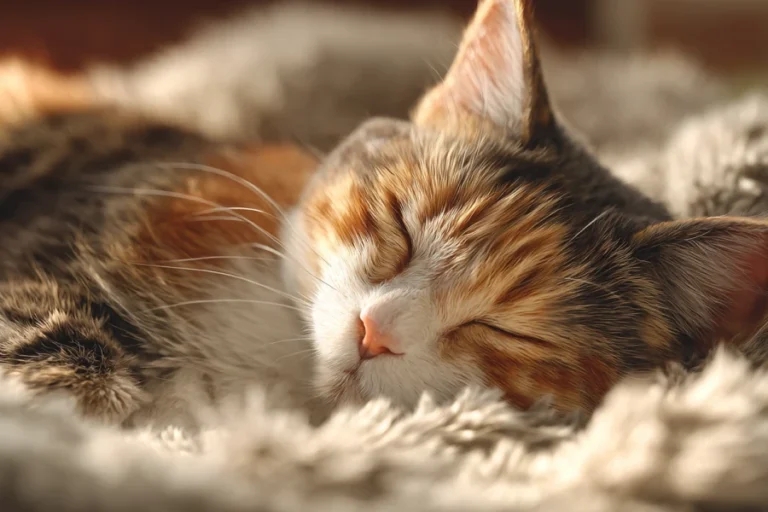
No grooming routine should ignore individual needs. Coat type, shedding level, skin sensitivity, age, and behavior all matter. A high-shedding dog needs different support than a short-haired indoor cat. A senior pet may need softer handling and shorter sessions. A regular cat grooming routine can prevent mats and reduce hairballs, while dogs may need more coat and paw maintenance after outdoor activity. Grooming should fit the pet in front of you. Personalized care is easier to repeat because it feels fair, useful, and less stressful.
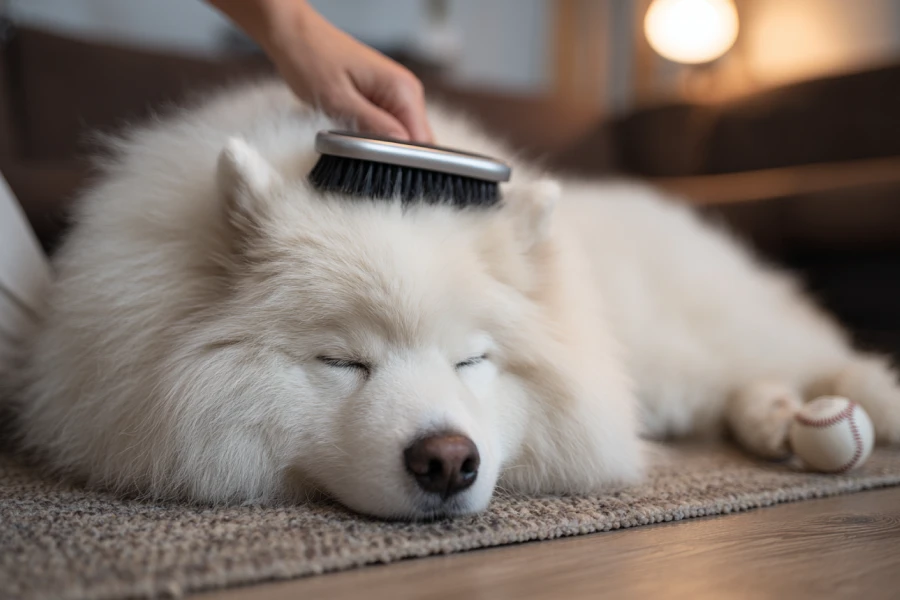
A Grooming Guide for Pet Owners should highlight brushing because it is one of the most useful home grooming habits. Brushing removes loose hair, reduces tangles, supports skin circulation, and helps you notice changes. Use the right tool and gentle pressure. A consistent dog brushing routine can make shedding easier to manage. The Home Grooming Mastery guide helps owners understand how brushing frequency changes by coat type. Frequent short sessions usually work better than occasional intense ones. Your pet learns the rhythm, and you keep the coat healthier.
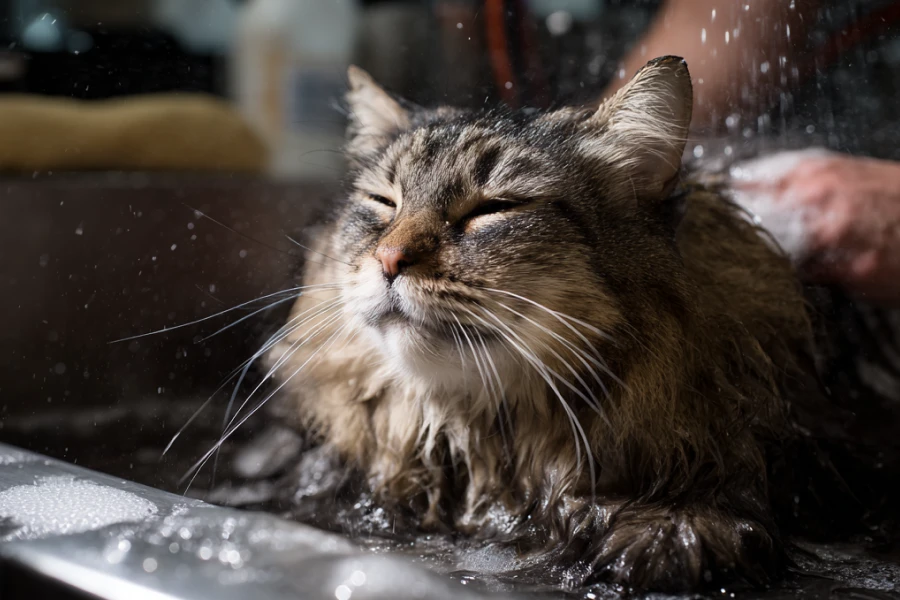
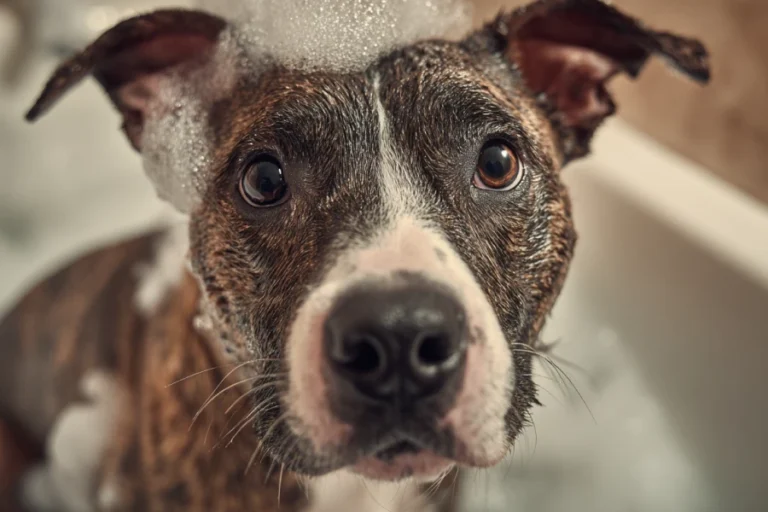
A Grooming Guide for Pet Owners can help make bathing less stressful. Not every pet needs frequent baths, and over-bathing may dry the skin. Plan baths around odor, dirt, coat needs, and veterinarian guidance. Strong bath time planning includes brushing beforehand, using pet-safe shampoo, rinsing thoroughly, and drying gently. Keep the bathroom calm and warm. Use praise and treats when appropriate. If your pet panics around water, start with tiny exposure steps before attempting a full bath. Good bathing should protect comfort, not create fear.
Nail care becomes easier when it is not treated as a sudden emergency. Touch paws during relaxed moments. Reward calm behavior before you ever trim. Use appropriate clippers or a grinder, and follow nail trimming safety every time. Trim small amounts and stop if your pet becomes too stressed. Some pets need multiple mini-sessions. That is perfectly fine. Progress matters more than finishing every nail at once. If you feel unsure, a groomer or veterinarian can demonstrate safe technique and help you build confidence.
A Grooming Guide for Pet Owners should include regular hygiene checks. Look at ears, eyes, paws, teeth, skin, and areas where dirt collects. Use gentle ear cleaning basics only when needed and never push into the ear canal. Check paw pads for irritation, especially after walks, winter salt, or hot pavement. The Home Grooming Mastery guide helps owners use grooming as a wider care habit. Grooming is not only about appearance. It gives you regular contact with your pet’s body, which makes changes easier to notice.
A ready grooming kit removes friction from the routine. Store supplies together and keep them clean. Replace dull nail tools, wash towels, and remove old products. A reliable grooming supplies checklist helps every session start smoothly. Include treats because positive reinforcement matters. If you have both dogs and cats, keep species-specific tools separate when needed. A prepared kit makes grooming feel less like a production. It also helps you groom more consistently because the setup is always ready.
A Grooming Guide for Pet Owners works best when it encourages consistency without pressure. Start small, practice often, and adjust the routine as your pet changes. Use shedding control tips, coat checks, nail care, and gentle hygiene steps to support daily comfort. Over time, these habits create better home pet hygiene and a calmer care relationship. You do not need to groom like a professional to help your pet feel cleaner and healthier. You need the right guidance, steady tools, and patience that grows with every session.


Leave a comment