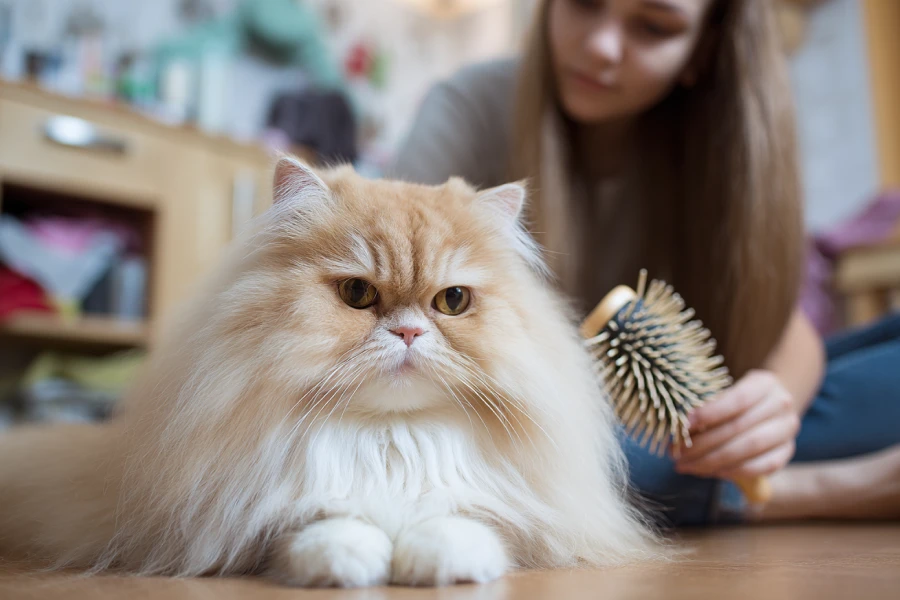
A Pet Care Grooming Checklist helps turn grooming from a stressful task into a clear routine. Many owners know their pets need brushing, baths, nail care, and hygiene checks, but they are unsure how to organize those steps. A checklist prevents missed tasks and keeps every session smoother. It also helps you prepare supplies before your pet is already restless. Grooming feels easier when you know what comes next. The Home Grooming Mastery guide supports pet owners with practical tool advice and care tips for dogs and cats. With structure, home grooming becomes safer and more consistent.
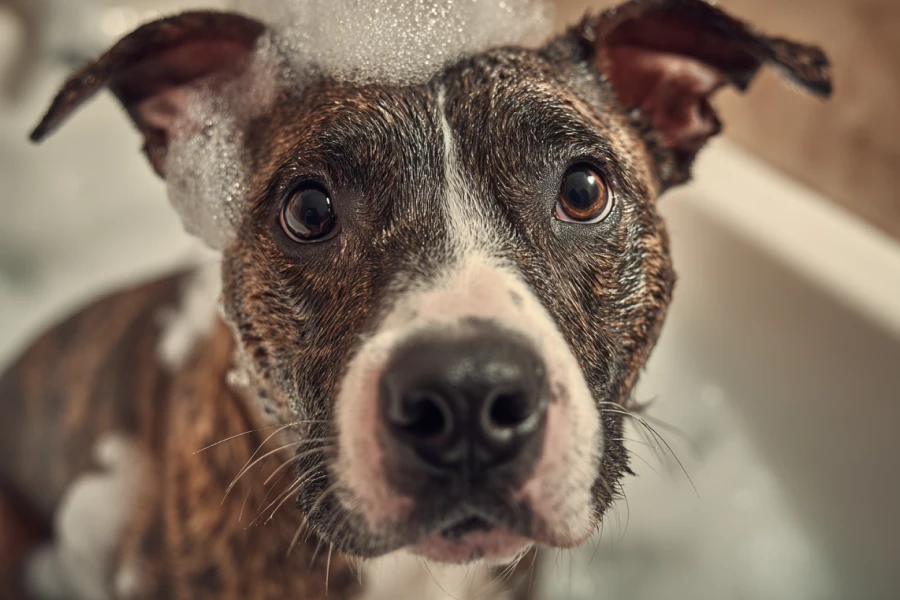
Your first checklist section should cover the essentials. Gather brushes, combs, towels, shampoo, nail tools, treats, wipes, and any vet-approved cleaning products. Keep supplies in one bin or drawer so every session starts smoothly. A clear grooming supplies checklist prevents last-minute searching. It also helps you notice missing or worn-out items before grooming day. Choose tools based on your pet’s coat and temperament. Good preparation creates calmer handling because you are not leaving your pet unattended while looking for supplies.
Before grooming, look closely at your pet’s coat. Check for mats, tangles, dirt, debris, flakes, bald spots, or irritated skin. This step is important because brushing through a hidden mat can hurt. A thoughtful coat care routine helps you decide which tool to use first. Some coats need a comb before a brush. Others need a gentle grooming mitt. If you find severe matting, professional help may be safer. A checklist should not rush care. It should help you make better choices.
A Pet Care Grooming Checklist should include brushing steps that match your pet. Start with calm handling, then brush small sections in the direction of hair growth. Pay attention to areas where mats form, such as behind ears, under legs, and near collars. A steady dog brushing routine can reduce shedding and help maintain a healthier coat. Cats may need shorter sessions and more frequent rewards. The Home Grooming Mastery guide helps owners build brushing routines that feel less forced and more natural.
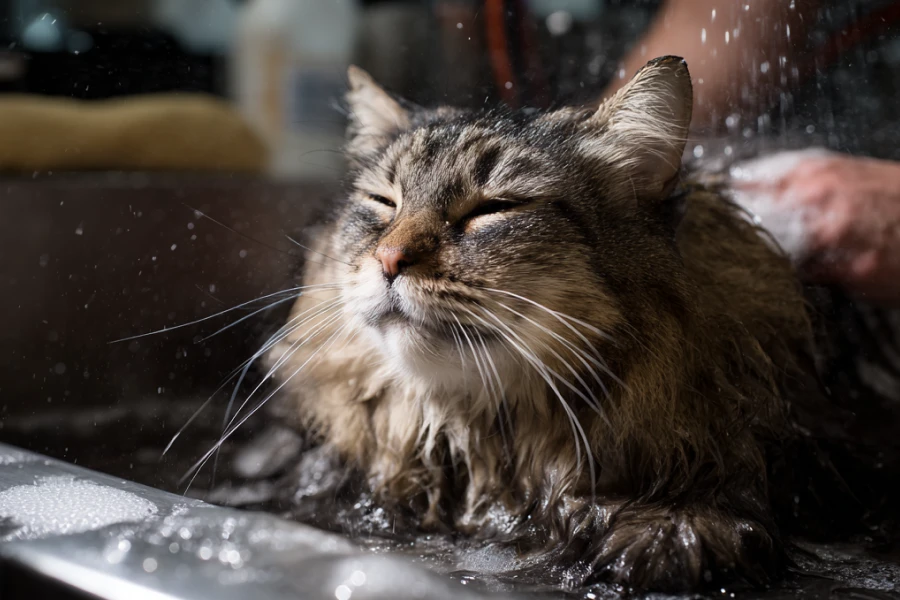
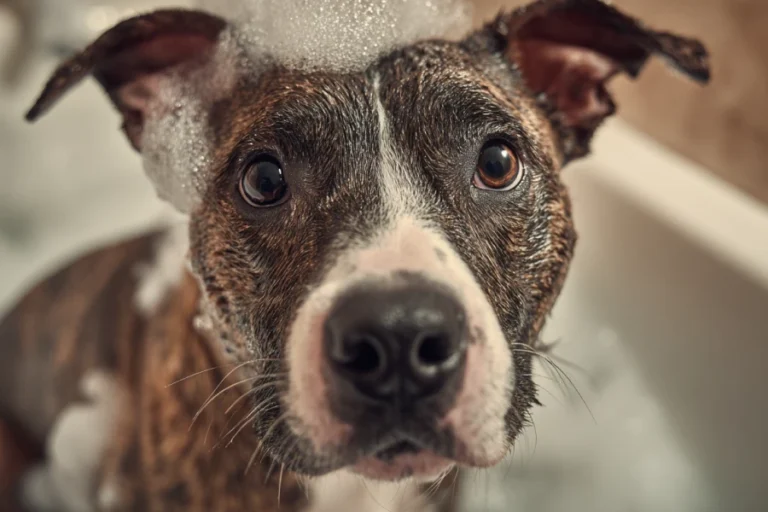
A Pet Care Grooming Checklist makes bath time easier because everything is ready. Brush first, prepare towels, test water temperature, and use pet-safe shampoo. Keep the bath brief and reassuring. Rinse thoroughly because leftover product can irritate skin. Good bath time planning also includes a drying strategy. Some pets tolerate towel drying best, while others may accept a low, cool dryer from a safe distance. Never force a frightened pet through a long bath. A successful bath is clean, calm, and controlled.
Nails and paws belong on every grooming checklist. Check nail length, paw pads, fur between toes, and signs of cracking or irritation. Long nails can change how pets walk and may cause discomfort. Follow nail trimming safety by trimming slowly and avoiding the quick. If your pet struggles, trim one or two nails at a time. Paw handling between grooming sessions helps build tolerance. The goal is not speed. The goal is safe progress that your pet can handle.
A Pet Care Grooming Checklist should include ears and skin because these areas reveal important changes. Look for redness, odor, swelling, scratches, discharge, hot spots, or unusual sensitivity. Follow gentle ear cleaning basics if cleaning is needed. Use only pet-safe products and avoid deep ear cleaning unless a veterinarian instructs you. The Home Grooming Mastery guide helps owners understand how routine observation fits into grooming. When you check these areas regularly, you know what is normal for your pet.
Your checklist should change with the season. Many pets shed more during certain times of year. Others need extra paw care in winter or more baths after muddy outdoor play. Practical shedding control tips help you adjust brushing without overdoing it. Write down when shedding increases, when mats appear, or when skin seems dry. This makes future grooming easier. A checklist becomes more useful when it reflects your pet’s patterns. Grooming is not one fixed routine for every month.
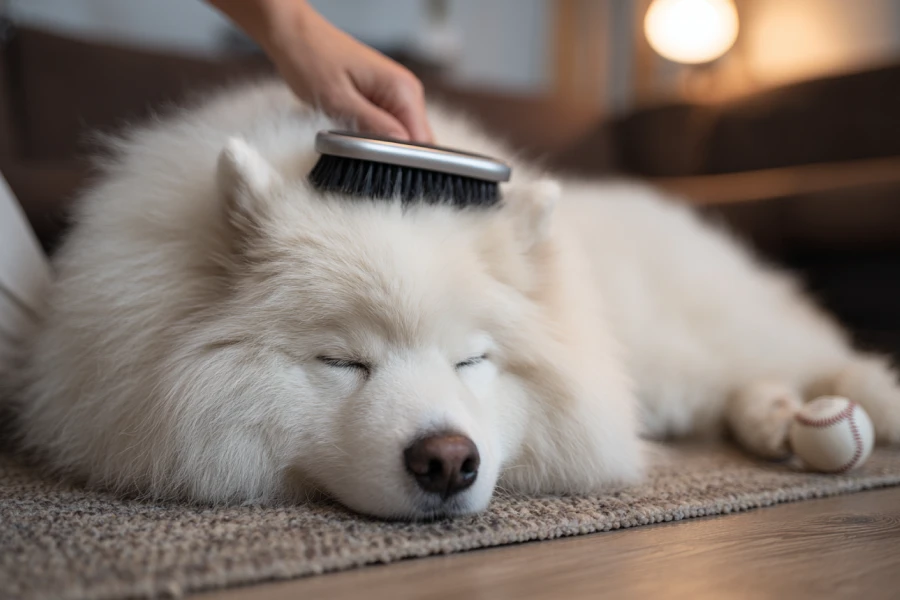
A Pet Care Grooming Checklist works best when it stays simple enough to use. Keep weekly, monthly, and seasonal tasks separate. Brush more often than you bathe. Check nails before they become uncomfortable. Inspect ears and skin during calm moments. These steps support a reliable pet wellness routine. Good grooming is built through consistency, not perfection. With a clear checklist and the right tools, pet care becomes easier to repeat and kinder for both you and your companion.


Leave a comment