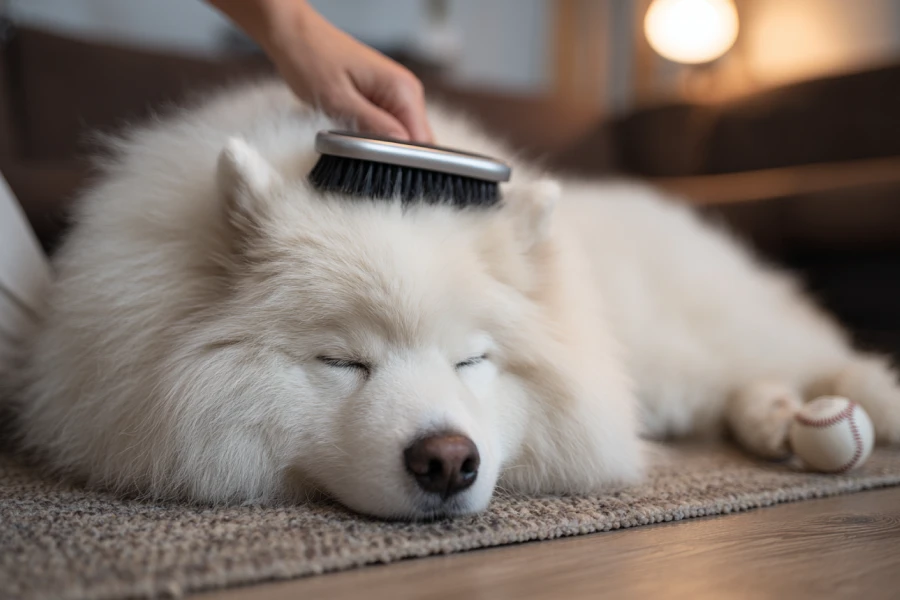
At-Home Pet Grooming Tips can help you care for your dog or cat with more confidence. Home grooming does not need to feel messy, stressful, or complicated. With the right tools and a calm routine, you can support coat health, reduce shedding, and make hygiene easier between professional visits. The key is working slowly and respecting your pet’s comfort level. A rushed session can create resistance, while a gentle one builds trust. The Home Grooming Mastery guide helps owners create practical routines for brushing, bathing, trimming, and everyday grooming care at home.
At-home grooming starts with preparation. Choose a quiet spot with good lighting and a surface your pet can stand or sit on safely. Gather towels, brushes, combs, treats, nail tools, and cleaning supplies before you begin. A complete grooming supplies checklist keeps the session from becoming chaotic. Start with the easiest task first, such as gentle brushing. This helps your pet relax before more sensitive steps. Preparation matters because pets notice your energy. If the setup feels calm and organized, the session usually goes more smoothly.
Your pet’s body language tells you when to continue, pause, or stop. Loose posture, soft eyes, and steady breathing usually mean your pet feels safe. Tension, tail flicking, growling, freezing, panting, or repeated attempts to leave mean the session needs a break. A calm cat grooming routine may take several short sessions instead of one long one. Dogs also benefit from patience, especially around paws, ears, and tails. Grooming should build trust over time. When you respect small signals, your pet learns that care does not have to feel threatening.
At-Home Pet Grooming Tips should always include brushing because it supports comfort and cleanliness. Use a tool designed for your pet’s coat type. Brush gently, especially near the belly, legs, and tail base. Work through small sections and stop if you meet resistance. A steady coat care routine reduces tangles and helps manage loose hair. The Home Grooming Mastery guide shows how brushing can become a simple weekly habit. Regular brushing also gives you a chance to spot skin changes early.

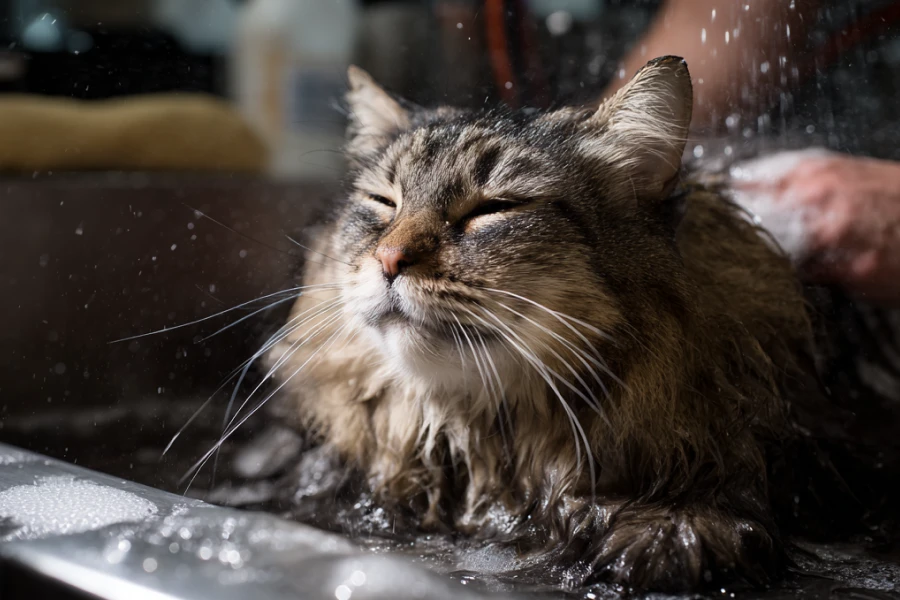
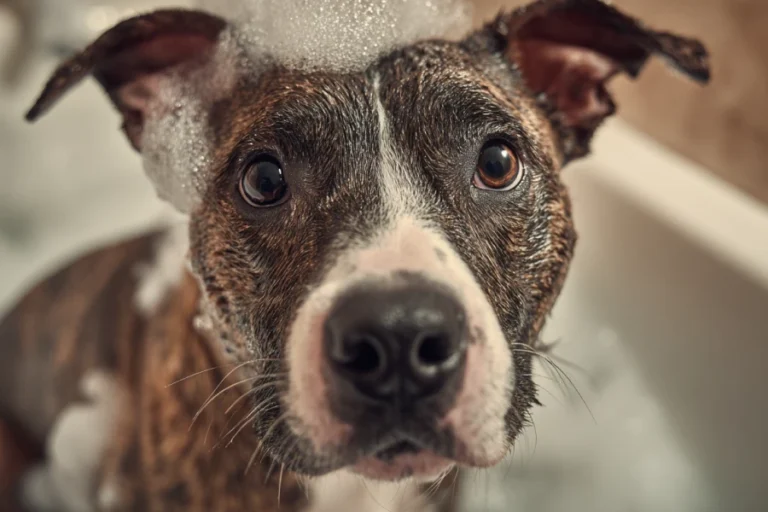
At-Home Pet Grooming Tips for bathing begin before the water starts. Brush out loose fur first, especially if your pet has longer hair. Use lukewarm water and a pet-safe shampoo. Protect the ears from excess water and rinse thoroughly so residue does not irritate the skin. Good bath time planning includes towels, treats, and a drying plan. Dogs may need more frequent baths than cats, but every pet is different. Bathing should leave your pet cleaner and calmer, not overwhelmed.
Nail care protects comfort, posture, and movement. Long nails can catch, split, or make walking uncomfortable. Start by touching your pet’s paws gently outside grooming sessions. Introduce clippers or a grinder gradually. Follow nail trimming safety rules by trimming small amounts and avoiding the quick. If you cannot see the quick clearly, take off tiny tips and stop often. Reward cooperation generously. If your pet becomes fearful, split the work across several days. Nail care improves when it becomes familiar rather than dramatic.
At-Home Pet Grooming Tips should include gentle ear and eye awareness. Check for odor, redness, discharge, swelling, or sensitivity. Wipe around the eyes only when needed and use safe products. Follow ear cleaning basics carefully by cleaning only the visible outer area unless your veterinarian gives specific instructions. Never use cotton swabs deep inside the ear. The Home Grooming Mastery guide helps owners understand where routine care ends and professional advice begins. Gentle observation is often one of the most useful grooming habits.
Shedding is normal, but the right routine can make it easier to live with. Brush more often during seasonal shedding. Use the correct tool for loose undercoat or surface hair. Wash pet bedding regularly and keep grooming sessions short enough to repeat. Practical shedding control tips help reduce fur around the home while keeping your pet comfortable. Do not overbrush sensitive skin. More pressure is not always better. Consistency usually matters more than intensity. A few calm minutes several times a week can make a visible difference.
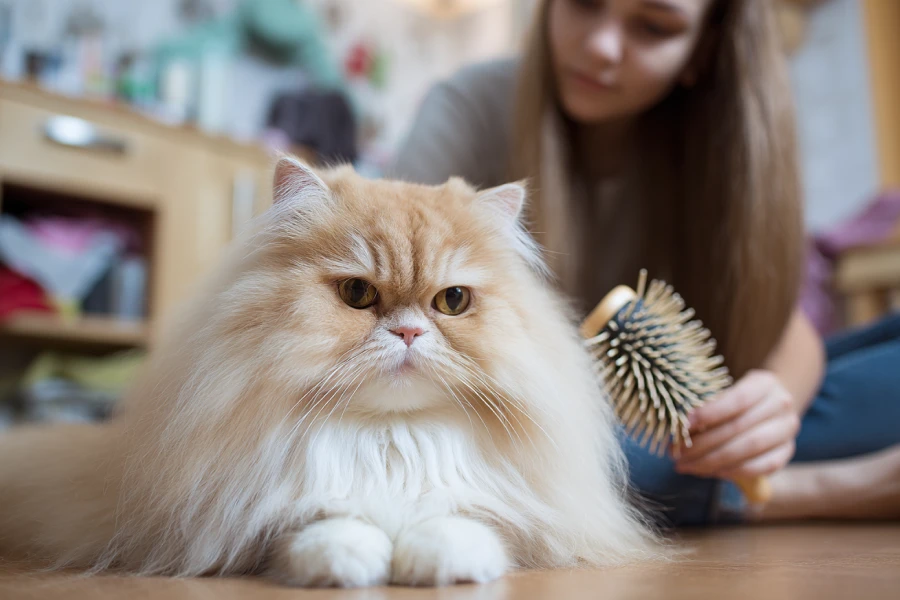
At-Home Pet Grooming Tips work best when they become part of normal life. Create a small schedule that fits your pet’s needs and your own routine. Brush weekly, check nails regularly, and inspect ears, paws, and skin during calm moments. These steps support home pet hygiene without making grooming feel like a major event. A gentle system creates better results than occasional panic grooming. Over time, your pet learns the pattern, and you become more confident with each session.


Leave a comment